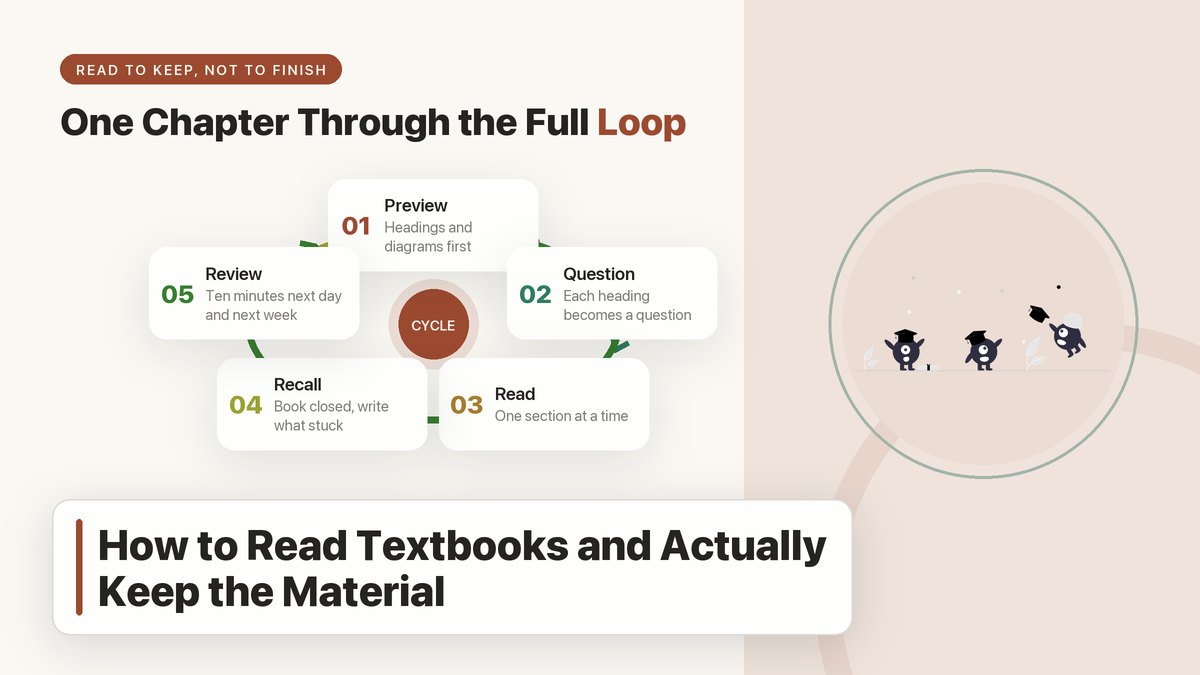
How to Read Textbooks and Actually Keep the Material

Textbooks are the one kind of book people feel guilty about. You highlight, you re-read, the pages turn, and three weeks later the chapter might as well be new. The problem isn’t your memory, and it isn’t a lack of discipline either. It’s a reading method built for novels, pulled page to page by suspense, running on a book that was never meant to be read that way.

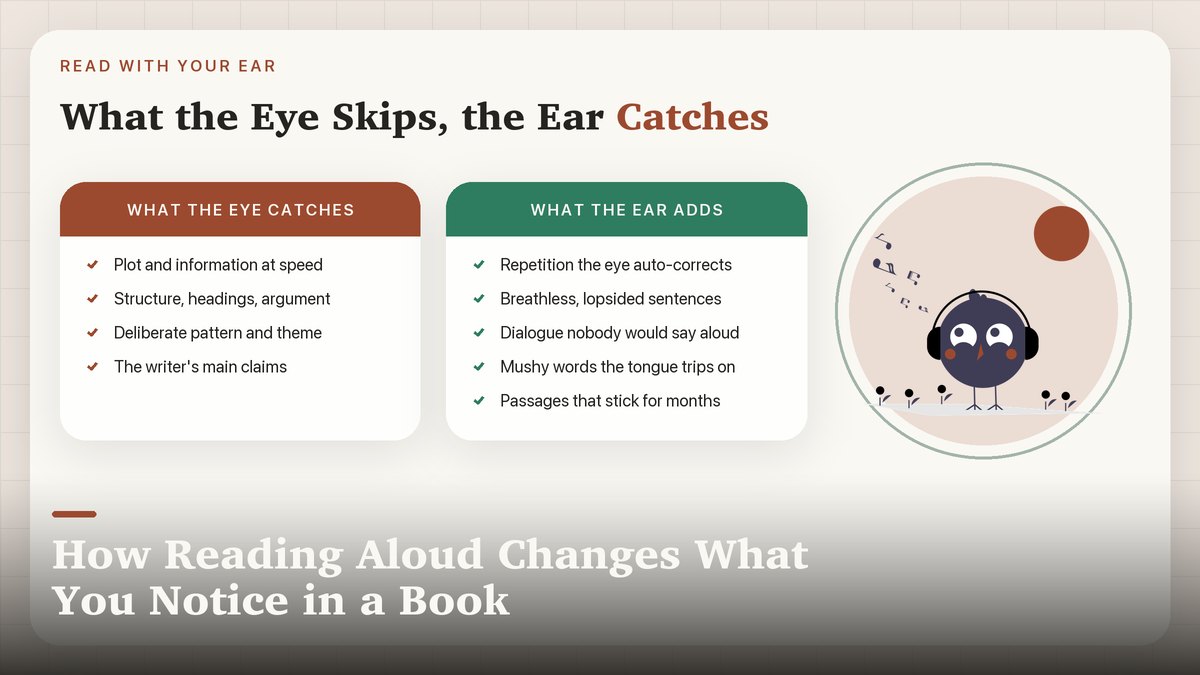
How Reading Aloud Changes What You Notice in a Book

Silent reading runs somewhere around 250 to 300 words a minute, and that speed is exactly what costs you. At that pace the eye skims, auto-corrects, and fills gaps, while the ear has no such tricks available to it. Speaking a page out loud drags your attention down to speech speed, roughly 130 to 150 words a minute, and what it surfaces are the things the eye trained itself to skip years ago.

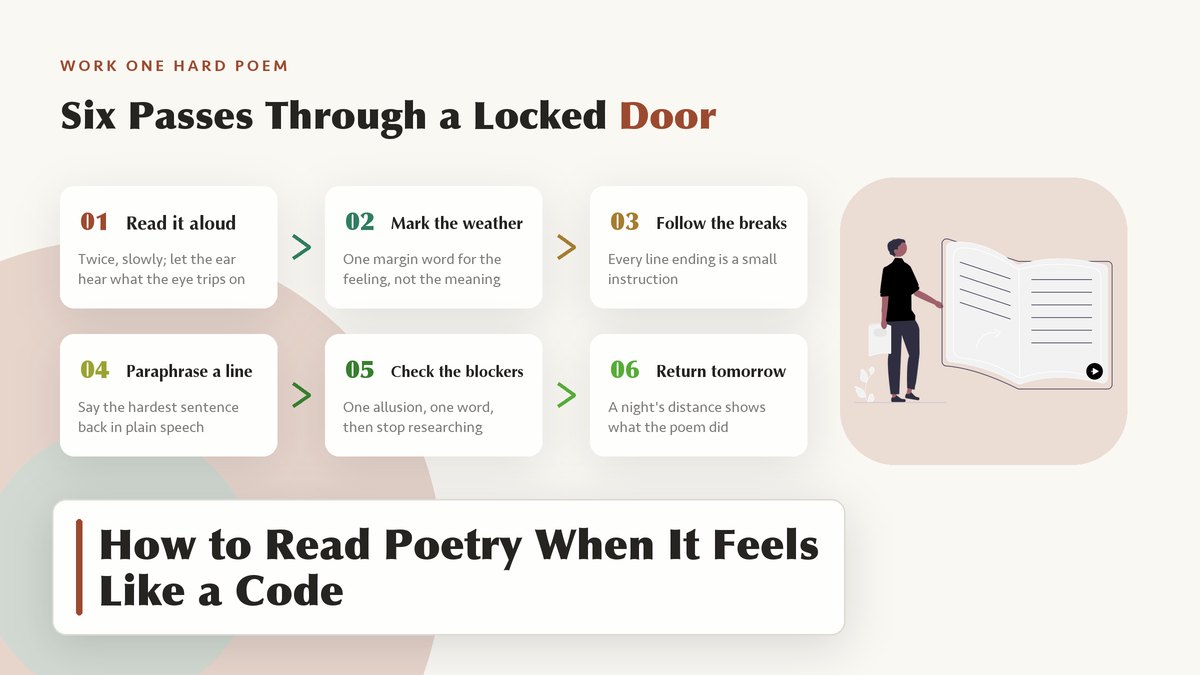
How to Read Poetry When It Feels Like a Code

Poetry is the only art form people apologize for not understanding. Nobody feels guilty for failing to get a song on the first listen, yet a dense poem can make a grown adult confess that they were never good at this. This guide dismantles that shame and replaces it with a working method.

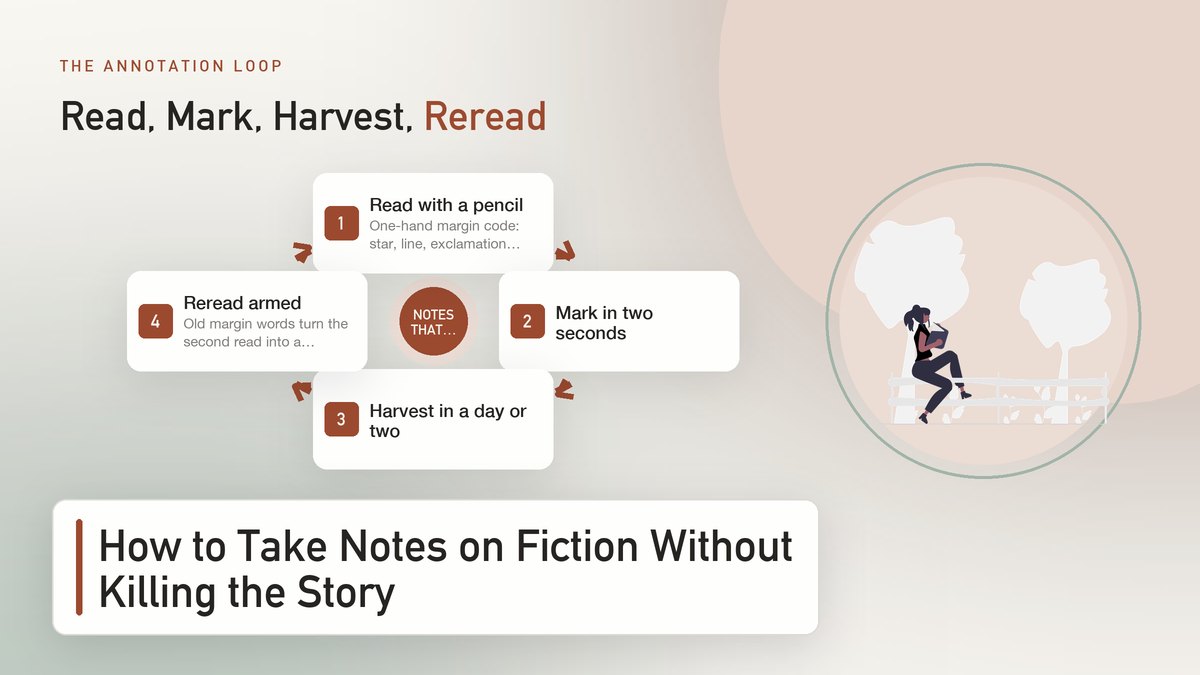
How to Take Notes on Fiction Without Killing the Story

There’s a particular kind of regret that shows up about three chapters after you decided to underline “just the good parts.” The pen never stays still, the page fills up, and somewhere in all that ink the story has slipped out the back door. This is a method for keeping what fiction teaches you while still letting it do the one thing it’s built to do.

Houseplants for Beginners: How to Keep Indoor Plants Alive and Thriving

Few things transform a room like a living plant. Greenery softens hard corners, warms up rented apartments that forbid painting, and gives even the most minimal space a sense of care and life. Yet many would-be plant owners carry a quiet conviction that they have a “black thumb” — a history of crispy ferns and yellowed leaves that ended in guilt and an empty pot. Here is the encouraging truth: there is no such thing as a black thumb. There are only plants matched badly to their conditions, and a few common care mistakes that nearly everyone makes at first. Learn a handful of principles, choose from a shortlist of nearly indestructible species, and you can keep houseplants not just alive but visibly flourishing. This guide covers everything a beginner actually needs: light, water, soil, the best starter plants, and the troubleshooting basics.

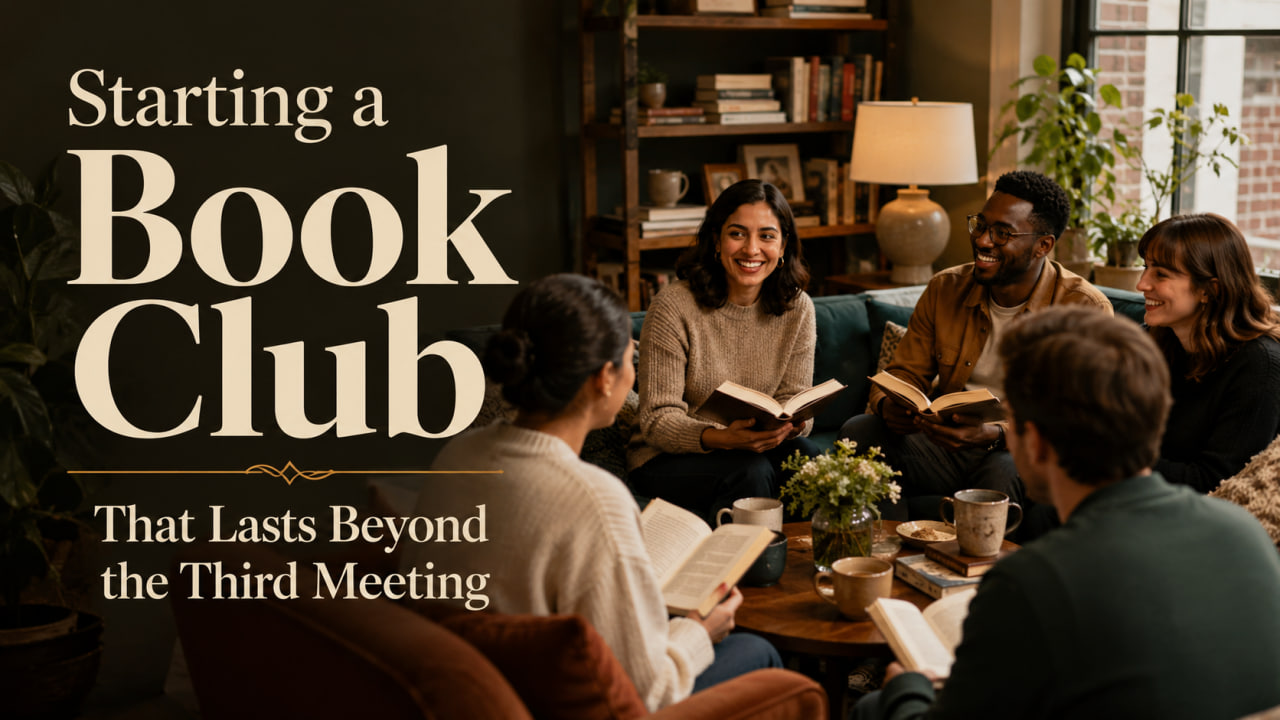
Starting a Book Club That Lasts Beyond the Third Meeting

  The Reading Life Most book clubs fizzle within a few months. The ones that endure get a handful of unglamorous things right — mostly about books, structure, and people. Book clubs are founded with enormous enthusiasm and die with quiet regularity. The pattern is almost a cliché: a group of friends or acquaintances, excited … Read more

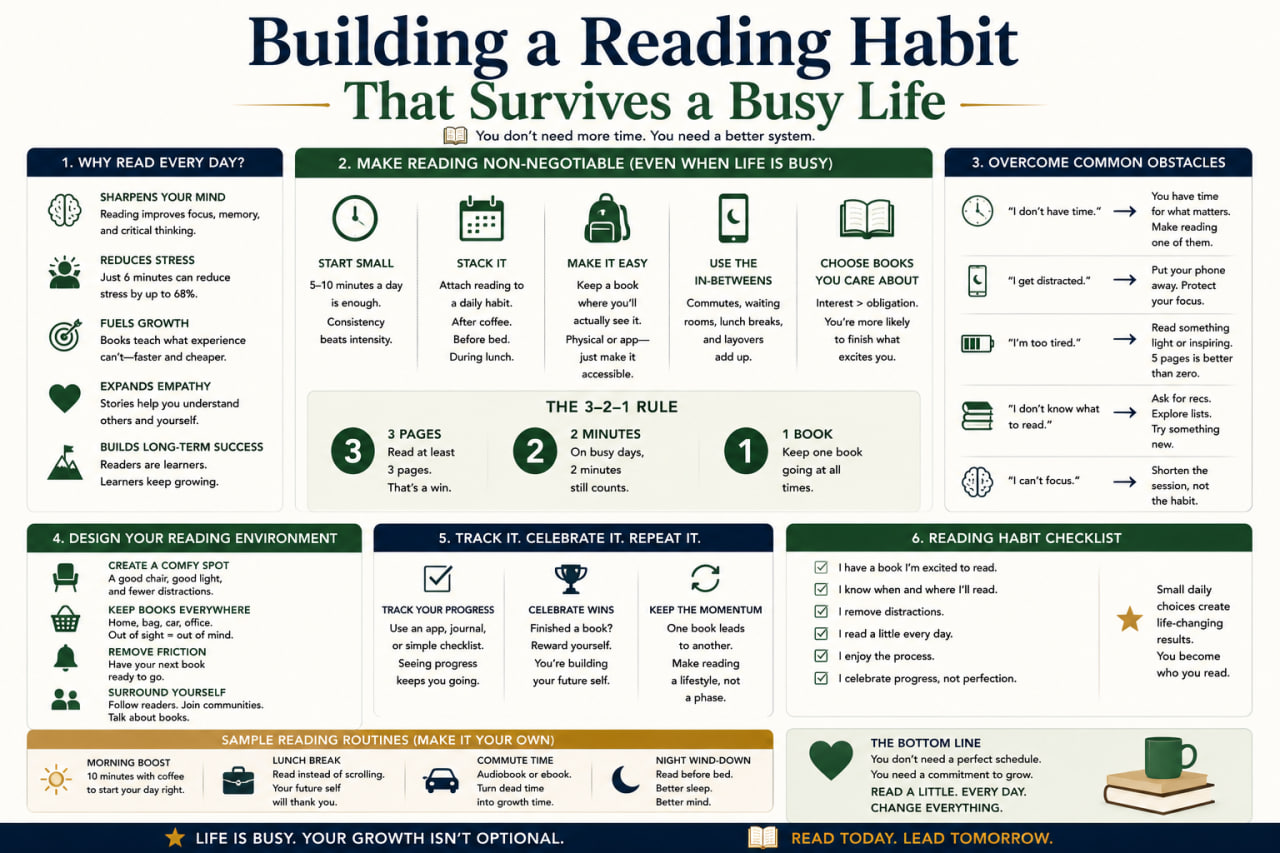
Building a Reading Habit That Survives a Busy Life

  The Reading Life The reading habits that last aren’t built on willpower or free time. They’re built on triggers, tiny minimums, and a plan for the days everything falls apart. Nearly everyone who wishes they read more has, at some point, resolved to do it — declared a goal, maybe joined a challenge, read … Read more